

Troiz-Trader
New Member
- Credits
- 169
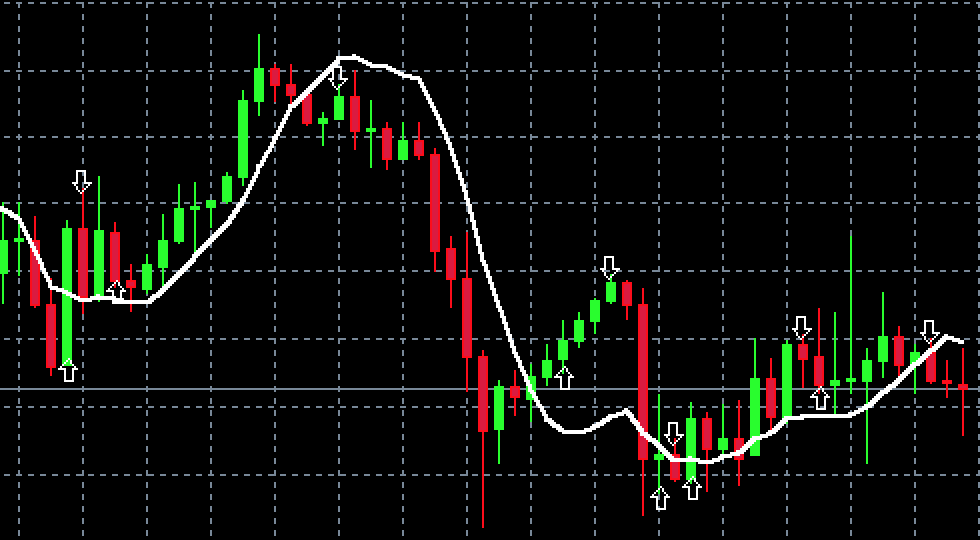
In the world of technical analysis, linear regression is a powerful tool for identifying the direction and strength of a trend. The Linear Regression Line + Signal indicator for MetaTrader 4 (MT4) takes this concept a step further by not only plotting the regression line but also generating signals based on the slope of the line—helping traders make smarter, more timely decisions.
What Is a Linear Regression Line?
A linear regression line is a statistical tool that models the relationship between time and price. It draws a straight line through the price data in a way that minimizes the distance between the line and the actual prices. This line represents the trend of the market over a given period.
Unlike moving averages, which smooth out price data, the regression line gives a more mathematically precise view of the trend.
 How the Indicator Works?
The Linear Regression Line + Signal indicator consists of two main components:
Slope-Based Signal Logic
The indicator calculates the current slope of the regression line and compares it to a predefined slope threshold. A signal is generated when:
This method helps filter out noise and only triggers signals when the trend strength is significant enough to warrant attention.
Why Use This Indicator?
How to Use It in Your Strategy?
What Is a Linear Regression Line?
A linear regression line is a statistical tool that models the relationship between time and price. It draws a straight line through the price data in a way that minimizes the distance between the line and the actual prices. This line represents the trend of the market over a given period.
Unlike moving averages, which smooth out price data, the regression line gives a more mathematically precise view of the trend.
How the Indicator Works?The Linear Regression Line + Signal indicator consists of two main components:
- Linear Regression Line: Plotted on the chart to show the current trend direction.
- Signal Generator: Based on the slope of the regression line.
Slope-Based Signal Logic
The indicator calculates the current slope of the regression line and compares it to a predefined slope threshold. A signal is generated when:
 Buy Signal: The slope crosses above the threshold, indicating increasing bullish momentum.
 Sell Signal: The slope crosses below the threshold, signaling bearish momentum.
// Logika sinyal: Crossing slope
for(int i = MathMax(start, 2); i < rates_total - 1; i++)
{
double slope_current = LRLBuffer - LRLBuffer[i - 1];
double slope_prev = LRLBuffer[i - 1] - LRLBuffer[i - 2];
// Abaikan crossing yang terlalu kecil
if(MathAbs(slope_current) < slopeThresholdUsed)
continue;
// Crossing negatif -> positif => Buy
if(slope_current > 0.0 && slope_prev <= 0.0)
{
if(lastSignal != 1)
{
BuyArrowBuffer = Low - ArrowOffset * Point;
lastSignal_price = BuyArrowBuffer;
lastSignal = 1;
}
}
// Crossing positif -> negatif => Sell
else if(slope_current < 0.0 && slope_prev >= 0.0)
{
if(lastSignal != -1)
{
SellArrowBuffer = High + ArrowOffset * Point;
lastSignal_price = SellArrowBuffer;
lastSignal = -1;
}
}
}
This method helps filter out noise and only triggers signals when the trend strength is significant enough to warrant attention.
Why Use This Indicator?
- Trend Confirmation: It helps confirm whether a trend is strong or weakening.
- Early Signals: Slope-based logic can provide early entry or exit points.
- Customizable: Traders can adjust the slope threshold to match their risk tolerance and trading style.
- Visual Clarity: The regression line offers a clean, easy-to-read representation of market direction.
How to Use It in Your Strategy?
- Trend Following: Use buy signals to enter long trades during uptrends and sell signals during downtrends.
- Filter Entries: Combine with other indicators (e.g., Bollinger Bands, RSI, or MACD) to confirm signals.
- Exit Strategy: Use slope reversals as exit points to lock in profits.